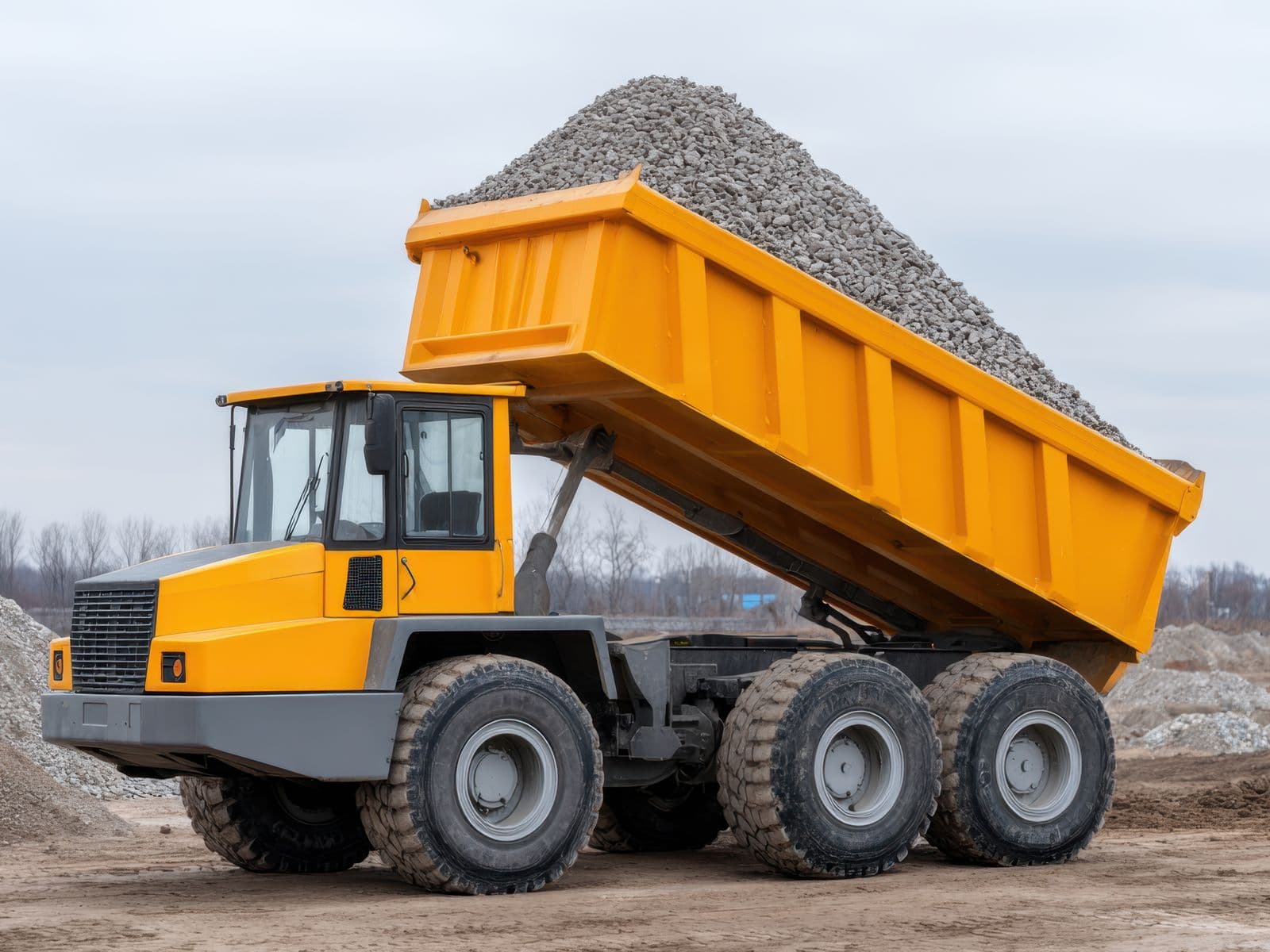
Get a Dump Truck Insurance Quote

Our professionals have the expertise and knowledge to place your business with A-rated carriers for dump truck operations of any size.

Florida-licensed since 2011

Who this is for

  • Owner-operatorSingle dump truck, paid by load.
  • Construction haul-awayDemo and aggregate runs.
  • Fleet of 2-5 trucksMulti-vehicle pricing.

What's typically covered

  • Dump truck fleets
  • Physical damage
  • Liability coverage
  • Cargo insurance

Florida rules to know

  • MCS-90 endorsementRequired for for-hire haulers crossing state lines.
  • Cargo coverage tiersAggregate, debris, demolition each price differently.

Florida dump operations split between intrastate-only (Florida commercial-vehicle registration through FLHSMV, with lower weight-tiered limit floors) and interstate (FMCSA operating authority under your USDOT number, BMC-91/91X filing with an MCS-90 endorsement, and higher limits). Most South Florida dump work stays intrastate within a 100-200 mile radius of the home yard. Class codes for dump and aggregate haul rate higher than dry van because of loss frequency: rollovers loading at gravel pits, hydraulic-bed accidents, tarp-system injuries, and overhead-clearance strikes are the most common claim types. Cargo coverage for dirt, fill, and aggregate runs cheap (low commodity value) but should still be carried — some yards require a $25K cargo limit minimum. Construction-site work brings additional-insured certificate demands almost daily; we issue them same-day. Florida-only dump operators sometimes also pull a Special Hauling permit through FDOT for oversize loads.

General information, not legal or tax advice. Rules, limits, and thresholds change over time — confirm current requirements with the relevant state or federal agency, or ask us about your specific situation.

About you

Dump Truck Insurance

What this coverage includes

Dump truck operations are a specialty market — most generalist agencies either refuse the risk or price it at the top of the market. We work with carriers built specifically for dump, construction haul, and aggregate operations. Coverages include primary liability, physical damage (collision + comprehensive on the rig), motor truck cargo, and any DOT filings your operation needs.

Whether you're an independent owner-operator working under a permanent lease or a fleet running owned authority, the policy structure changes. We handle Florida-only intrastate, regional, and longer hauls — and can stack umbrella coverage on top when shippers require it. Tell us the trucks, the haul radius, and what your contracts require and we'll build the right package.

Coverage examples

  • Tri-axle rolls over at the gravel pit

    A tri-axle dump rolls over while loading at a Miami-Dade pit. Truck is a total loss at $145,000 actual cash value, the driver sustains a soft-tissue back injury, and the pit owner claims $8,000 in damaged equipment. Physical damage on the truck pays the hull (minus deductible). Primary liability pays the pit owner's damage. Driver injury is workers' comp territory if he's an employee. The full chain of coverages — phys dam, primary liability, comp — needs to be in force at the same time, which is what we build into every owner-operator package.

  • Hydraulic bed strikes overhead utility line

    A dump bed left up while pulling out of a job site strikes a low-hanging power line. Utility company claims $35,000 in repair and outage costs. Primary liability (property damage to third parties) covers the utility's claim up to the policy limit (typically $1M for FL dump operators). The driver's overhead-clearance error is a classic dump claim; carriers will scrutinize maintenance records on the bed cylinder. Without primary liability at the right limit, the operator pays out of pocket and likely loses the contract.

  • Cargo spill closes road, causes accident

    Aggregate spills from an unsecured load on US-1, causing a multi-car accident behind the truck. Total damages to other vehicles $48,000. Motor truck cargo doesn't cover this (cargo covers loss of the load itself, not damage caused by it). Primary liability covers the road incident and the resulting vehicle damage. The driver's FMCSA cargo-securement violation could also trigger a CSA score hit. We confirm the load-securement protocols expected by the carrier at policy bind.

Why Us

Why customers choose First Choice

Dump Truck Insurance

Frequently asked questions

I lease my truck to a larger carrier. Do I still need insurance?
Often yes — for non-trucking liability (also called 'bobtail') when you're driving without a load on the carrier's behalf, and sometimes for physical damage on your own truck. The carrier's policy usually only covers you while you're under dispatch. We'll match coverage to your lease agreement.
What's motor truck cargo and do I need it for dirt and aggregate?
Cargo covers the load you're hauling. For dirt, gravel, and aggregate the value is low but some shippers still require a minimum cargo limit. We'll quote it either way so you have it ready.
How fast can you get me bound for a new truck?
Same day for most owner-operators if we have the truck VIN, MC number (if applicable), and driver MVR. Fleets sometimes need 24–48 hours for the underwriter to review the full schedule.
What cargo limits cover gravel, fill, and demolition debris?
Most yards and brokers ask for $25K-$50K cargo on dump operations, which is more than enough for commodity value (dirt and aggregate are low dollar). Construction-debris and demolition haul (mixed materials, asbestos-containing, or controlled fill) can require higher limits and specific commodity endorsements. We confirm cargo limits against the actual customer agreements rather than defaulting to a low number that fails the certificate review.
Do I need a CDL endorsement for dump work?
Most single-unit dump trucks need a Class B CDL once they hit 26,001 lbs GVWR — below that weight, no CDL is required unless you're hauling placarded hazmat or carrying 16+ passengers (either makes it a Class C vehicle — and hazmat adds the H endorsement). Class A is required for combination units (tractor pulling a trailer dump) at 26,001 lbs combined when the trailer is rated over 10,000 lbs GVWR. The N (tanker) endorsement matters if you're hauling liquid loads; H (hazmat) is required only when your load must be placarded under DOT rules — ordinary regulated or construction debris usually needs no H endorsement. Most aggregate and fill haulers don't need either, but verify with your contracts. Carriers underwrite MVR and CDL endorsements tightly — wrong class shows up at audit.
Does my policy cover loading at a gravel pit or construction site?
Loading and unloading is one of the loss-heavy zones of dump operation — overhead-clearance strikes, rollovers, hydraulic accidents, struck-by-vehicle injuries. Standard primary liability covers third-party damage during loading; physical damage covers the truck itself. Some pits and sites require an additional-insured endorsement naming the pit operator on the policy before allowing entry. We issue those same-day.
What if I'm doing a mix of intrastate and interstate hauls?
You'll need both Florida (FLHSMV) registration and FMCSA authority, with the higher (federal) liability limit applying to interstate runs and federal filings (BMC-91, MCS-90) on the policy. Some carriers won't write a mixed operation cleanly — they'd rather price it as full interstate. We'll structure the policy to match how you actually operate so you're not overpaying for federal-level limits on a primarily intrastate book.

General information, not legal or tax advice. Rules, limits, and thresholds change over time — confirm current requirements with the relevant state or federal agency, or ask us about your specific situation.